Slot Grind Machine Upgrade Priority
Stop guessing — follow phase-based rules for machines, speed, payouts, and automation spending.
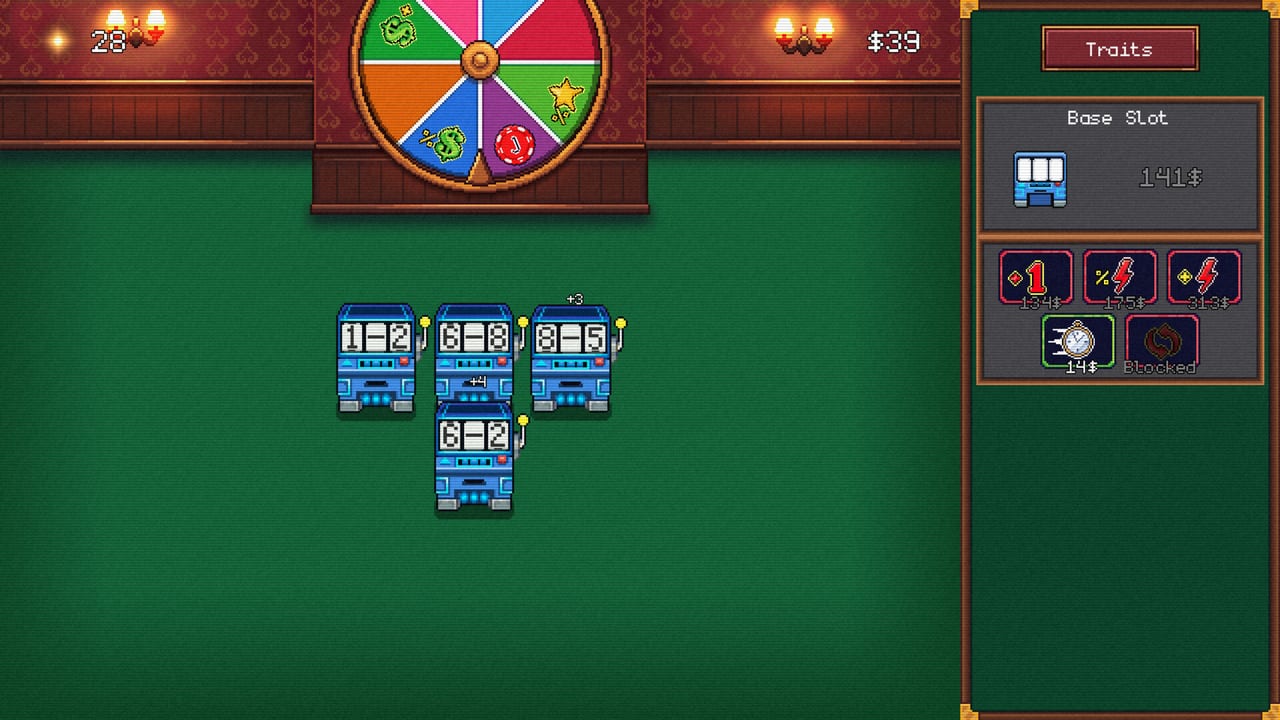
Every Slot Grind paycheck competes with three or four worthwhile purchases. Should you buy another slot, raise spin speed on an existing reel, boost payout multipliers, or save for automation? Upgrade priority is the highest-impact decision in OneMoreSystem’s short incremental campaign because there is limited time to recover from a slow payback buy. This guide gives phase-based rules you can apply without opening a spreadsheet — though the Upgrade Planner helps when two options cost nearly the same.
Most players finish the Steam release (AppID 4619420, August 4, 2026) in one to three hours. These priorities assume you want a smooth curve, not a meme-speed any-percent route. Demo players can follow the early phases identically; full-game phases extend the machine roster and debt ladder.
Priority Framework: Payback First
Slot Grind rewards purchases that return their cost quickly. Think in payback seconds: upgrade cost divided by income gain per second. Lower is better.
Rough decision tree:
- If payback under ~60 seconds and the purchase is not blocked by debts, buy it.
- If two options tie, prefer the one that affects more machines (globals from the skill tree beat single-reel tweaks).
- If payback is long, check whether machine count or automation would multiply the benefit.
When math feels ambiguous, read Tier List: Upgrade Order for ranked paths and Machines Overview for upgrade lane definitions.
Phase 1: Opening (One to Two Machines)
Priority order:
- First cheap spin-speed upgrade if the tutorial highlights it and delay to second machine is under one minute.
- Second machine — almost always top priority once affordable.
- Speed on the busiest reel (usually the first slot you actively click).
- Third machine when price is less than ~2× your current combined per-minute income.
Avoid payout multipliers on a lone machine before you own two slots. Width beats depth here. Detailed minute-by-minute steps live in Early Game Walkthrough.
Skill tree spending in Phase 1 should stay minimal — one foundational perk at most. See Early Perks for which nodes justify an early point.
Phase 2: Mid Floor (Three to Five Machines)
Income rises fast; hands get tired. Shift priorities:
- Automation modules on your highest-earning reels before buying decorative high tiers.
- Speed upgrades spread across the row — one level each beats maxing a single slot.
- Fourth and fifth machines when automation is partially online.
- Payout multipliers after average spin speed is acceptable.
This is the pivot from active to idle play. If you are still clicking every reel, pause new machine purchases and read Automation Unlocks plus How to Automate Slot Grind.
Mid-game routing also appears in Mid-Game Walkthrough and Tier List: Machines.
Phase 3: Automation Online (Five Plus Machines)
Once most reels auto-spin:
- Global skill perks that multiply all machines (see Late Game Skill Tree).
- High-tier machines unlocked by debts or perks — buy when payback beats upgrading a maxed low tier.
- Payout stacks on automated high earners.
- Remaining speed ticks only if they visibly shorten cycle time.
Debts begin to spike in this phase. Before a large purchase, check the ledger in Debt Payoff Walkthrough. Paying a debt early is sometimes correct; hoarding for a doubling upgrade is sometimes correct. Never let a due payment surprise you while cash is locked in a long payback buy.
Phase 4: Debt Surge and Capstone Slots
Late campaign income should be mostly passive. Priorities:
- Clear debt milestones on schedule — blocked tiers cost more than one missed speed upgrade.
- Capstone machine tier once unlocked — often the largest single income jump.
- Remaining automation on any manual stragglers.
- Achievement-friendly purchases if hunting the 26 Steam achievements (Achievements List).
If income stalls before a debt wall, revisit Perk Priority Tier List before grinding clicks.
Common Mistakes
- Maxing one machine while others sit at base speed — Spread speed upgrades for even throughput.
- Buying high-tier slots before automation — They earn less per minute of your attention than auto-running mid tiers.
- Ignoring debts for one more upgrade — Gates and story beats lock behind payments.
- Over-investing in payout before speed — Slow spins cap multiplier value.
- Skipping the skill tree entirely — Several machine tiers require perks; read Skill Tree Overview.
Quick Comparison Table
| Phase | Buy first | Buy second | Defer |
|---|---|---|---|
| Opening | 2nd machine | Speed on main reel | Payout multipliers |
| Mid | Automation | 4th–5th machine | High-tier slots |
| Automated | Global perks | High-tier machines | Single-reel speed max |
| Late debts | Debt payments | Capstone tier | Cosmetic upgrades |
Related Guides
- Machines Hub — Full machines index.
- Machines Overview — Tier and upgrade lane reference.
- How to Play Slot Grind — Core loop primer.
- How to Unlock Machines — Purchase gates.
- Upgrade Planner — Payback calculator.
- Slot Grind Review — Pacing and value discussion.
Frequently Asked Questions
Quick answers for Slot Grind players.
Should I always buy a new machine before upgrading?
Early yes — two machines beat one upgraded reel. Mid-game, automation and spread speed upgrades can outrank a new slot if payback is faster.
When do payout upgrades beat speed upgrades?
After most reels have at least one speed level and automation is partial. Slow machines waste payout multipliers.
How do debts change upgrade priority?
Reserve cash for upcoming debt milestones. A blocked unlock costs more than delaying a minor speed tick.
Can the Upgrade Planner pick for me?
It estimates payback from your income and cost inputs. Use it to break ties; phase rules still matter for automation timing.
Does upgrade order differ in the demo?
Opening priorities match the demo. Later phases and capstone purchases exist only in the full game.